
Tug McGraw Foundation-Supported Study Provides Hope for Improving Cognitive Function in Veterans

A recently published Tug McGraw Foundation-funded study found that the use of red and near-infrared light therapy improved cerebral blood flow and cognitive functions in veterans with chronic traumatic brain injury (TBI). The landmark study is among the first to demonstrate objective evidence for the reversal of regional cerebral blood flow (rCBF) deficits in chronic TBI patients. Independent researchers, in collaboration with brain imaging and analytics company CereScan® Corp., used quantitative functional brain imaging and neuropsychological assessments to analyze the therapy’s effectiveness.

Read more at tugmcgraw.org or download the PDF

white paper

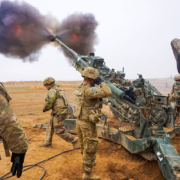
The Differences between Blast-Induced and Sports-Related Brain Injuries

Abstract

Both blast-induced traumatic brain injury (TBI) and sports-related concussion are occasionally considered to have similar injury mechanisms by which repeated head impacts cause chronic traumatic encephalopathy (CTE). Patients with the two conditions experience comparable CTE symptoms, such as headache, light-headedness, memory loss, confusion, attention deficits, difficulty balancing, aggression, anxiety, depression, etc. (1). Another common feature is tau protein deposition around cerebral blood vessels in the frontal cortex (2, 3). However, it should be noted that these symptoms are non-specific, and can be the results of many different brain insults such as TBI, stroke, chemically induced neurotoxicity, infection by pathogenic microbes (HIV virus, bacteria, etc.), brain tumors, and neurodegenerative diseases (Parkinson’s, Alzheimer’s, ALS, Huntingtons, etc.). Abnormal or hyper-phosphorylated tau protein deposition is also non-specific and represents only disruption and dysfunction of microtubules in neuronal cells that are experiencing progressive death and degeneration. Therefore, having similar mental symptoms and tau protein deposition in the same regions of the brain does not conclude that the same basic injury mechanism existed in both blast-induced and sports-related brain injuries.

Read More» | Download PDF»